At Modern Cosmetics and Dentistry, we believe that a healthy smile is the foundation for radiant confidence and overall well-being. Led by Dr. Jacob Hamby, our practice is dedicated to offering comprehensive dental care tailored to meet each patient's unique needs. We are your complete destination for oral health and aesthetic transformation in Joplin, MO.
Modern Dentistry and Cosmetics Means Confident Smile Care

Expert Invisalign Provider
Dr. Hamby is proud to be a member of the Molis Coaching group, led by Ryan Molis, the #1 Invisalign provider in the world. His expertise has been instrumental in developing advanced Invisalign training programs.
Dr. Hamby recently completed the prestigious Molis Mastermind training program. This exclusive program is limited to only about 200 dentists worldwide, making it a truly international and elite certification.
This advanced training ensures that Dr. Hamby can provide you with the highest quality Invisalign treatment, utilizing the latest techniques and best practices in orthodontic care.
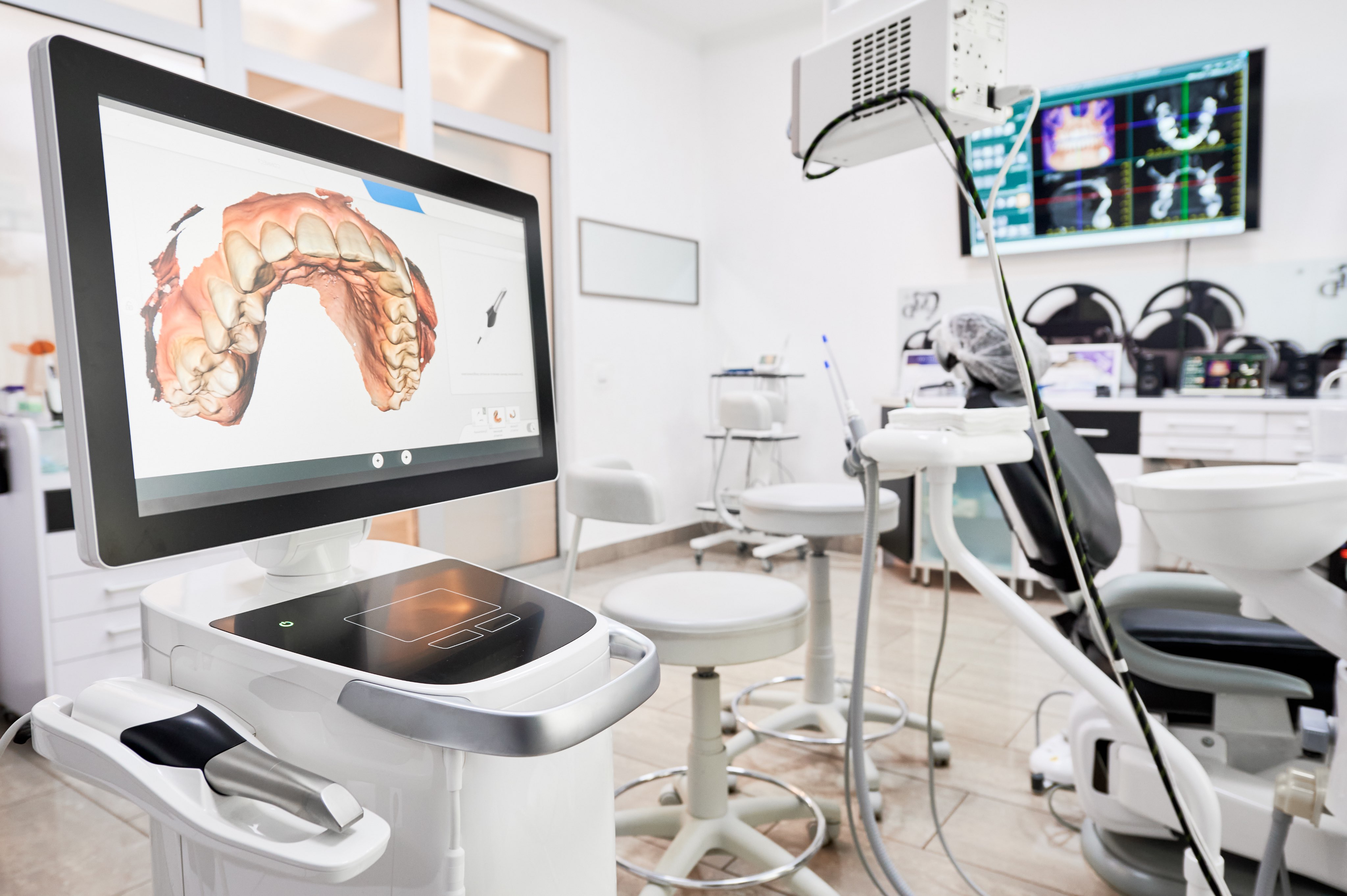
Utilizing Modern Dental Care Technologies
From 3D printers to digital X-ray machines and beyond, Modern Dentistry and Cosmetics employs cutting-edge tech to deliver outstanding results for our patients.
We Accept Most Dental Insurance
We work with almost all dental health insurance providers. And for self-pay patients, discounts are available!
Smile Transformations
Read Posts by Modern Dentistry
Professional Teeth Whitening vs. At-Home: What’s Safer?
Published on 09/25/2026
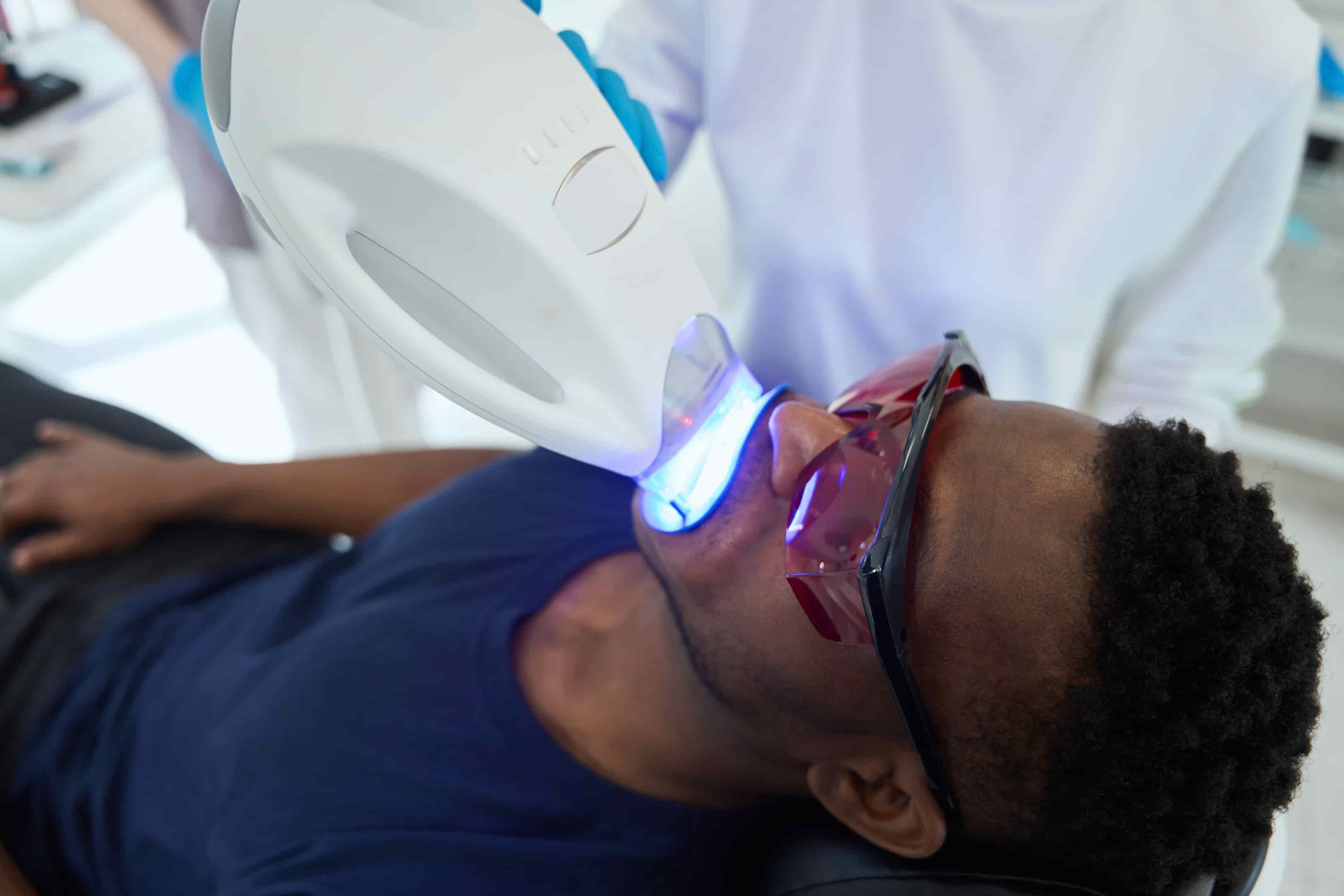
A new school year brings fall photos, homecoming, and weddings, and many Joplin families want a brighter smile before the camera comes out. Store kits are tempting, but cheaper doesn’t always mean safer. Here’s how professional teeth whitening compares on safety, results, and value.
Is Professional Teeth Whitening Safer Than At-Home Kits?
Both approaches rely on the same active ingredient: Hydrogen peroxide or carbamide peroxide. The difference is strength and supervision. In-office teeth whitening uses a stronger concentration, so the dentist first shields the gums with a protective gel or rubber barrier, according to the American Dental Association (ADA). At-home teeth whitening products are weaker, but no one checks for cavities or gum disease before you start.
So, are teeth whitening strips safe? Used as directed, generally yes. The ADA recommends products carrying its Seal of Acceptance, which means they’ve been tested for safety and effectiveness. Cleveland Clinic advises skipping DIY shortcuts such as:
- Activated charcoal powders
- Vinegar or oil-based remedies
- Medicine-cabinet hydrogen peroxide
None has evidence behind it, and some may damage teeth.
Does Teeth Whitening Damage Enamel or Cause Sensitivity?
Does teeth whitening damage enamel? Cleveland Clinic reports that lab studies have raised erosion concerns, but those effects haven’t been shown on living teeth. Sensitivity is more common. The ADA explains that post-whitening sensitivity occurs when peroxide reaches the dentin layer beneath the enamel and irritates the nerve. The discomfort is temporary, and a dentist can adjust the treatment to reduce it.
Does Professional Teeth Whitening Work Better, and How Long Does It Last?
For speed, yes. The ADA notes that in-office treatment usually takes one visit, while over-the-counter strips typically need about two weeks, according to Cleveland Clinic.
How long does teeth whitening last? Cleveland Clinic puts the range at six months to three years. Coffee, tea, red wine, and tobacco shorten that window. One limit applies to every method: Whitening won’t change the color of crowns, veneers, or fillings.
How Much Does Professional Teeth Whitening Cost, and Is It Worth It?
Teeth whitening cost depends on the method. Store kits cost less up front, but results build slowly, and many people buy repeat boxes. Professional teeth whitening costs more per visit, yet it delivers visible results in a single appointment and starts with an exam to confirm your teeth and gums are healthy. For anyone with an event on the calendar, that predictability is often worth it.
Who Should Talk to a Dentist Before Whitening?
The ADA recommends everyone consult a dentist first, but it matters most for:
- Patients with crowns, veneers, or fillings on front teeth
- Anyone with cavities, gum disease, or existing sensitivity
- Expectant mothers
Teeth whitening during pregnancy is typically postponed until after the baby arrives because it’s elective, according to the ADA’s MouthHealthy site.
Fall photos, weddings, and holiday gatherings will be here before you know it, and starting a few weeks early leaves time for any sensitivity to settle. Call Modern Dentistry & Cosmetics at (417) 623-8232 to schedule a whitening consultation and find the safest, most effective option for your smile.
Store-Bought vs. Custom Mouthguards: What's Best?
Published on 08/04/2026
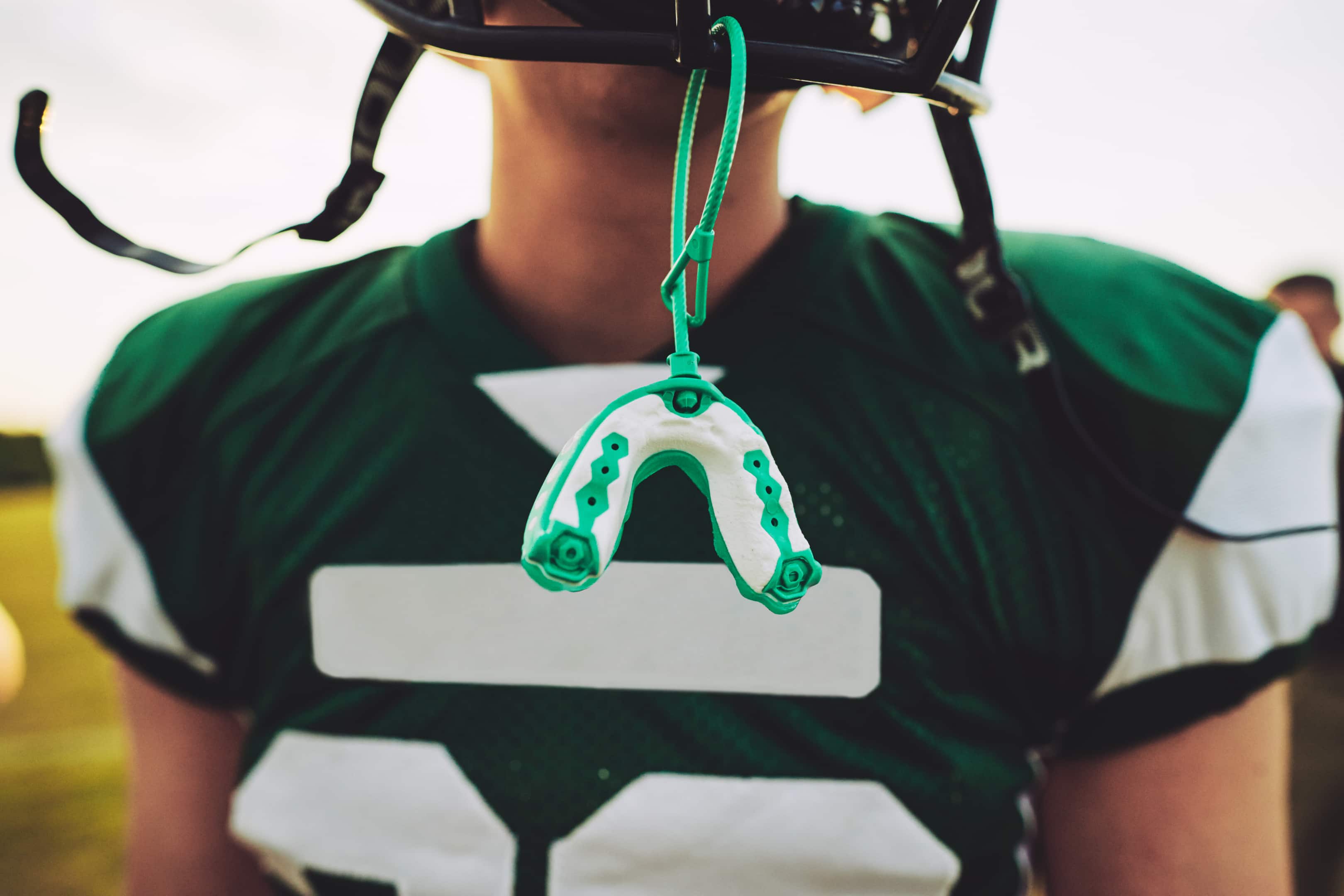
Whether you're outfitting a young athlete for fall tryouts or dealing with nighttime jaw pain, choosing between a store-bought mouthguard and a professionally made option affects more than comfort. At Modern Dentistry & Cosmetics, we help patients of every age compare sports mouthguards, nighttime dental guards, and bite guards to make an informed choice.
Precision Fit vs. One-Size-Fits-All
A store-bought mouthguard fits a general range of mouths, not yours specifically. Even boil-and-bite versions only approximate a fit, often leaving gaps or pressure points that shift during activity. Custom mouthguards, by contrast, are molded from an impression of your exact bite, so they sit securely without constant readjustment. That precision matters whether the guard is protecting teeth on the field or easing jaw clenching at night.
Protection: Which Absorbs Impact Better
According to the American Dental Association, properly fitted mouthguards reduce the risk of oral injury during contact sports, and dentist-fitted options are recommended for athletes of all ages. A poorly fitted store-bought mouthguard can't evenly distribute impact across the jaw, increasing the risk of chipped teeth or gum injury. Custom mouthguards spread force across the entire arch, which is why they remain the standard for serious protection in sports mouthguards and everyday bite guards alike.
Cost: Upfront Price vs. Long-Term Value
Store-bought options cost less upfront, but those savings can be misleading:
- Store-bought guards often need replacing every season due to wear or poor fit
- A professionally fitted option is built to last several years with proper care
- Repeated dental trauma from inadequate protection can lead to costlier restorative treatment later
Factor in replacement frequency and injury risk, and custom options frequently deliver better value over time.
Durability: Built to Last vs. Built to Replace
Store-bought guards are made from lower-grade materials that flatten, crack, or lose shape within months. Custom mouthguards are made from dental-grade materials that last, holding their shape through years of contact sports, grinding, or nightly wear.
TMJ and Grinding Relief
Mouthguards aren't only for athletes. The National Institute of Dental and Craniofacial Research reports that temporomandibular joint disorder, often called TMJ disorder or sometimes referred to as TMD, affects more than 10 million Americans and is more common in women. Teeth grinding and jaw clenching, known clinically as bruxism, are common contributors to TMJ symptoms and can worsen without treatment. Custom mouthguards fitted as a nighttime dental guard can ease muscle strain, protect enamel, and reduce clenching-related pain—something a generic dental guard from a store shelf isn't designed to do.
Emerging research is also looking beyond guards for TMJ relief. According to the Cleveland Clinic, Botox can temporarily reduce overactive jaw muscle contractions in some patients, helping break the chronic pain cycle linked to TMJ disorder. It isn't FDA-approved specifically for TMJ, evidence is mixed, and providers typically reserve it for cases where conservative options haven't worked well enough alone. Ask your dentist whether it fits your broader treatment plan alongside a properly fitted bite guard.
If jaw pain, teeth grinding, or an upcoming sports season has you weighing your options, call Modern Dentistry & Cosmetics today at (417) 623-8232 to schedule an appointment and find the right bite guard for your needs, whether that's relief from TMJ disorder, protection from jaw clenching, or a dependable sports mouthguard built for the months ahead.
Wisdom Teeth Removal: Why Summer Break Beats the School Year
Published on 07/22/2026
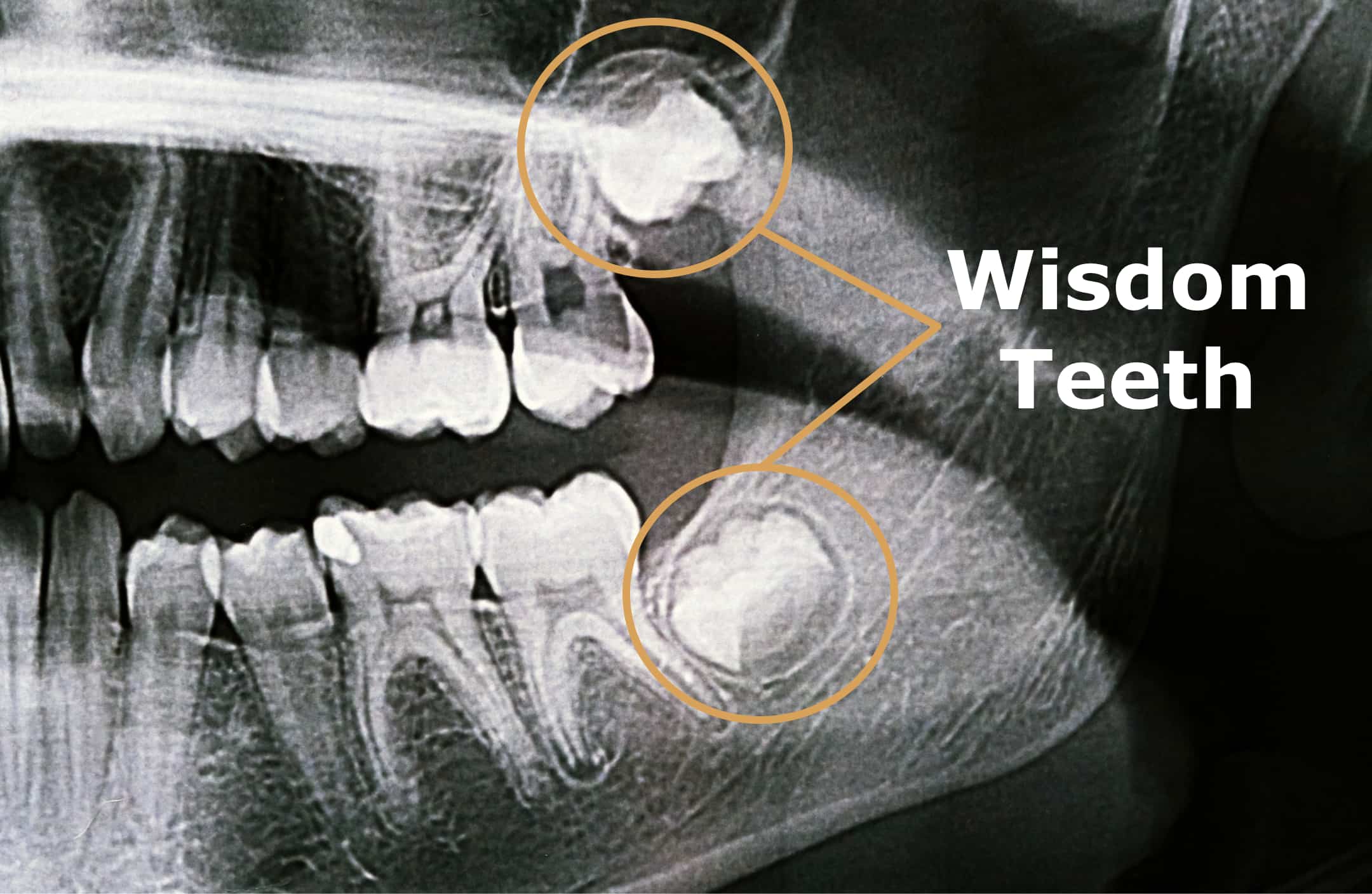
Every August, students and parents across the Joplin area scramble to fit dentists' appointments in before the first bell rings. But wisdom teeth removal is one procedure worth planning around the calendar, not squeezing in after it. Summer break gives teens and young adults the downtime their bodies actually need to heal, while a mid-semester surgery date can turn a routine recovery into a homework-and-practice juggling act.
Best Time for Wisdom Teeth Removal
The American Association of Oral and Maxillofacial Surgeons recommends that every young adult have their third molars evaluated, since these teeth typically emerge between ages 17 and 25. The best age to get wisdom teeth removed is generally the late teens to early 20s, when tooth roots haven't fully formed, and the surrounding bone is less dense—both factors that make surgery easier and healing faster.
Wisdom Teeth Removal Recovery Time
Most patients return to normal routines within 3 to 5 days, though full healing can take 1 to 2 weeks. According to the Cleveland Clinic, here's a general timeline of what to expect:
- Days 1–2: Swelling and bleeding are most noticeable; rest and ice packs are most important.
- Days 3–5: Swelling begins to subside; most people can return to light activity.
- Week 1–2: Gums continue closing over the extraction sites, and soreness fades.
- Beyond two weeks: Full bone healing continues quietly in the background for months.
Summer vs. School Year Recovery
A student recovering in July can sleep in, eat soft foods on their own schedule, and skip practice without falling behind. Try that same recovery during the school year, and swelling, dietary restrictions, and pain medication collide with essay deadlines, exams, and sports conditioning. Comparing the two side by side makes the timing decision straightforward: Summer offers uninterrupted downtime that the academic calendar simply doesn't.
Why July Is the Deadline
Scheduling wisdom teeth removal before school starts means booking the consultation and surgery date in July, since most patients need roughly two weeks of buffer time before resuming full activity. Wait until August, and the only options left are rushed recoveries or delaying the procedure until winter break, when impacted teeth have had more time to cause discomfort or crowding.
Aftercare Tips for Faster Recovery
How long wisdom teeth removal swelling lasts depends largely on how closely aftercare instructions are followed in the first 72 hours. Dry socket prevention is the priority during this window, since exposed bone at the extraction site is a leading cause of prolonged pain. Helpful habits include:
- Avoiding straws, smoking, or vaping for at least three days to protect the healing blood clot.
- Sticking to soft foods like yogurt, soup, and mashed potatoes for the first few days.
- Rinse gently with warm salt water starting 24 hours after surgery.
- Applying ice packs in 20-minute intervals to manage swelling.
Following these steps closely reduces the odds of complications and helps patients get back to normal faster.
Don't let this summer's window close before scheduling. Call Modern Dentistry & Cosmetics at (417) 623-8232 today to book a consultation and give your teen—or yourself—the smoothest recovery possible before fall arrives.

Get to Know Dr. Jacob Hamby
Dr. Hamby performs all types of family, restorative, and root canal treatments and specializes in cosmetic dentistry and implants. Dr. Hamby enjoys the science behind dental restorations, and his engineering background enables him to approach dentistry with an excellent technical mind.
Read More About Dr. HambyBecome a Patient
If you would like to schedule a new patient visit, please give us a call or fill out the contact form below. One of our friendly staff members will get back to you shortly!